


Most people hear "Six Sigma" and picture months of statistics training and a hefty course fee. That’s not White Belt. White belt training six sigma is the entry point built for employees who need to understand process improvement language without becoming full-time analysts, and it usually takes a few hours, not weeks. If you’re trying […]

Process Improvement Specialist: What They Do and Earn
Every organization has bottlenecks eating into profit, and someone has to find them, fix them, and prove the fix worked with data. That’s the job of process improvement specialists. If you’re weighing this as a career path, or you’re an operations leader trying to figure out what to expect from one, you need real answers, […]
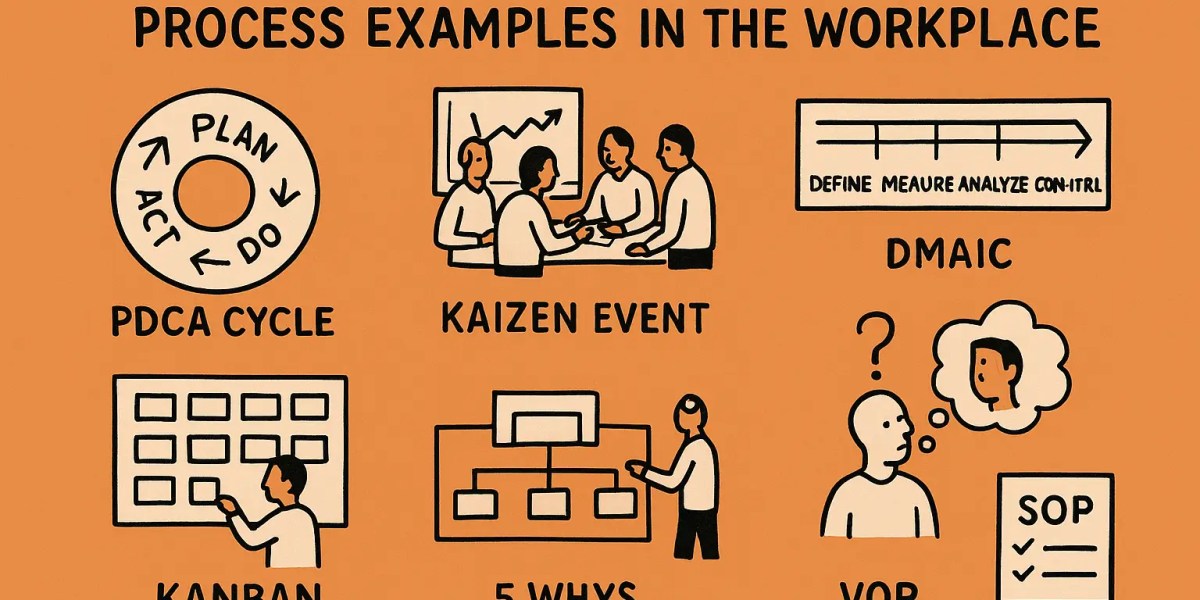
8 Continuous Improvement Process Examples in the Workplace
You know continuous improvement matters, but a slide deck full of theory doesn’t tell you what continuous improvement looks like on your shop floor or in your billing department on a Tuesday afternoon. That gap between concept and application is exactly where most improvement initiatives stall. If you’re searching for continuous improvement process examples you […]

Lean Six Sigma Training: Courses, Costs, and Belt Levels
You know Lean Six Sigma will help your career or your plant’s bottom line, but the belt system, price ranges, and course formats all blur together fast. Search for sigma six lean training and you get a wall of providers claiming their Yellow Belt or Black Belt program is the best, with little explanation of […]

Six Sigma Yellow Belt Certification: What It Is and Costs
You’ve heard your company mention Lean Six Sigma, seen a job posting that lists it as a preferred qualification, or gotten tired of watching the same process problems repeat without a structured way to fix them. Now you’re trying to figure out what a certification six sigma yellow belt actually involves and whether it’s worth […]

Process Improvement: What It Is, Methods, and Examples
You know something is off. Orders take too long, defects keep slipping through, and your team spends more time firefighting than building. That’s usually a sign your organization needs process improvement, a structured way of finding what’s broken in how work gets done and fixing it with evidence instead of guesswork. So what is process […]

Business Process Improvement Consultant: What They Do
You keep hearing the title, but nobody explains what the job actually involves day to day. A business process improvement consultant walks into an organization, maps out how work really gets done, and finds where time, money, and quality are leaking out of the system. That gap between the title and the actual work is […]

10 Top Jobs in Process Improvement to Explore Now
Searching for jobs in process improvement usually means you already know the field pays well and cuts across nearly every industry, but you want to see the actual roles before you commit to a certification or start applying. Titles vary wildly, one company calls it a Continuous Improvement Analyst, another calls the same job a […]

Continuous Process Improvement: What It Is and How It Works
You know the feeling. A process works fine for months, then defects creep in, lead times stretch out, and nobody can pinpoint why. That’s usually a sign your organization is missing a formal system for continuous process improvement, the ongoing practice of identifying inefficiencies and fixing them before they turn into bigger problems. So what […]

“The Goal” Summary: Key Lessons from Goldratt’s Book
You’ve heard operations people quote "The Goal" for years, and now you need to know what it actually says without spending a weekend reading a business novel about a plant manager named Alex Rogo. This the goal a process of ongoing improvement summary covers the essentials: what the book argues, why it still shapes how […]